Plan Commission

Minutes Agenda Packet City Website ↗
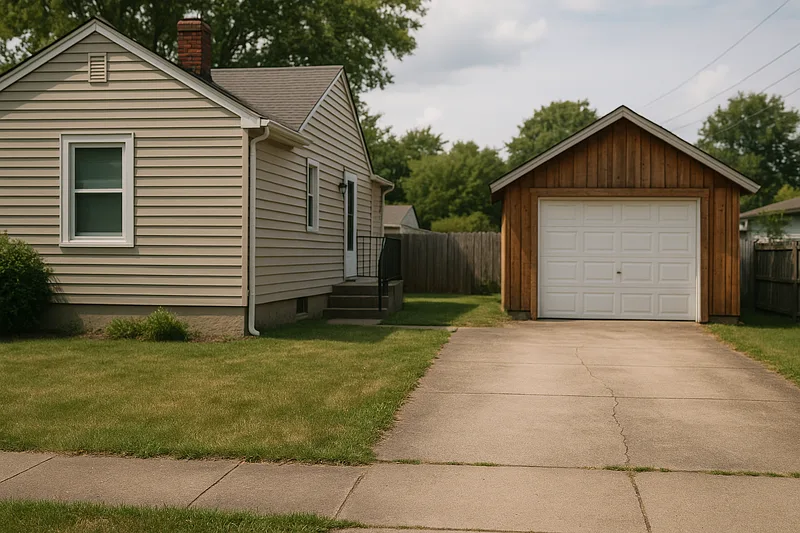
Illustration for Plan Commission
AI image

The Plan Commission voted 6-0 to recommend rezoning 2122 E. River St from business to residential, described as a cleanup to match the home’s long-standing single-family use. Commissioners also flagged confusing rules for accessory building materials and told staff to bring back clearer wording.

Commissioners unanimously recommended rezoning 2122 E. River St from B-1 (business) to R-3 (residential), saying the lot has always been a single-family home and the zoning should match reality.

The commission dug into confusing code language on what construction/design rules apply to garages and other accessory buildings, and signaled the ordinance may need a rewrite so staff and residents aren’t guessing.

No public comments or communications recorded for this meeting.

Review request to rezone, from B-1 to R-3, located at 2122 East River Street, submitted by applicant and owner Dorothy Gibbs.
Passed 6-0
The commission recommended approval of rezoning 2122 E. River St from business to residential, with members noting the property has always been used as a single-family home and the change is meant to align the map with that use. The minutes also note the parcel is inside the BID boundary but not paying BID assessments, a detail residents may want clarified if BID boundaries and who pays don’t line up cleanly. Next stop is the City Council, which makes the final call.
Roll call vote 6 yes 1 absent
Matt Heckenlaible yes
Rick Inman yes
Pat Klein yes
Tracey Koach yes
Kyle Kordell yes
Kristin Lee absent
Adam Wachowski yes
Discussion of a possible amendment to the ordinance regarding the construction materials of accessory structures.
Commissioners said the city’s rules are confusing about what design and construction standards apply to garages and other accessory buildings. One section says accessory buildings must meet the requirements for “one-story dwellings,” but it doesn’t clearly point to the separate section that spells out dwelling design requirements, which has led to staff uncertainty. The commission’s read is that accessory structures should follow the dwelling standards unless an exception is listed, and staff may bring back clearer ordinance language at a future meeting.