The committee moved ahead on two big development moves: it authorized negotiations to sell the Wentker Court industrial buildings and granted Renee’s Popcorn a covenant waiver so its expansion can proceed. On housing, the CDA tabled a proposed Sandy Bay lot-payment incentive but told staff to start negotiating for the Coenen–Buyeske property for a future subdivision.
Staff floated an installment-payment idea for Sandy Bay Highlands lots (with payments tied to permits and occupancy, and a 24-month completion window). Members worried it could be gamed by speculators and might not actually speed up homebuilding, especially since many recent buyers have paid cash. The CDA chose not to act yet and tabled the incentive discussion, which keeps the subdivision’s slow-sales problem on the “later” pile instead of forcing a clear policy direction now.
Page 1 — source unresolved
The CDA heard that lot sales have been slow in the first half of 2026, even with four homes under construction, and that the city’s realtor contract runs through the end of 2026. Members asked Weichert Realtors to start giving quarterly updates on sales activity, marketing, and buyer interest. That’s a reasonable accountability step—but it also underscores that the city is still searching for a strategy that reliably converts “marketing” into rooftops.
Page 1 — source unresolved
The CDA discussed strategy for the Coenen–Buyeske property and voted to have city staff begin negotiations aimed at a future residential subdivision. The chair stated he would excuse himself from matters related to the property and abstained on the vote, which is the right procedural move given the connection. This is an early but meaningful step: once staff is negotiating, the city’s leverage and direction can get set before the public sees a fully formed proposal.
Page 1 — source unresolved
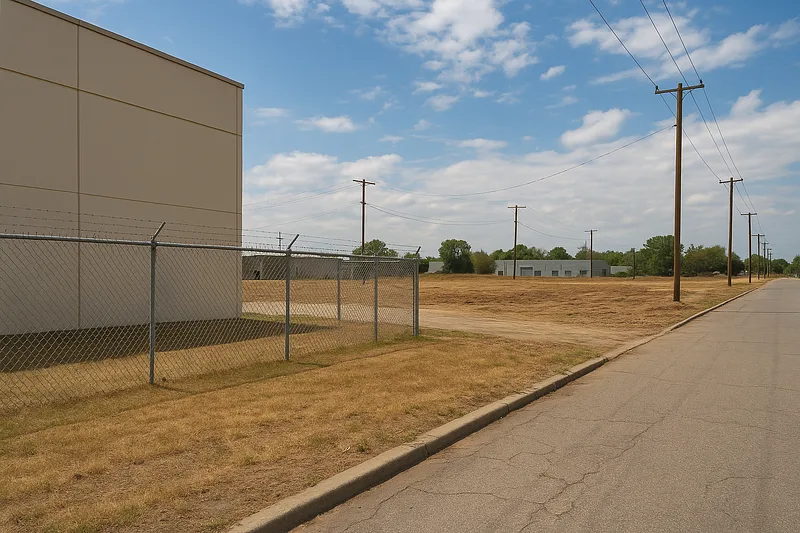
After reviewing appraisals and noting a prospective buyer is already interested, the committee authorized staff to negotiate the sale of both Wentker Court properties. The motion set a firm target to close before Sept. 1, 2026 and approved an as-is sale with no inspection contingency—terms that can speed a deal but also reduce safeguards if problems are discovered later. Because these are BIDC-owned assets (not just “city property” in the casual sense), residents should expect follow-up clarity on price expectations and how proceeds will be handled.
Page 2 — source unresolved
Renee’s Popcorn asked for a waiver from the industrial park covenant requiring 2,500 square feet of building per acre, because its first-phase 6,000 sq. ft. building on 3.75 acres won’t meet that threshold. The committee granted the waiver, citing the company’s planned second phase that would meet the requirement, and the project was described as a $1.5 million investment. This is the city choosing flexibility to keep a growing employer expanding locally—worth doing, but it also shows how “minimums” can become negotiable when a project is attractive.
Page 2 — source unresolved
The committee listed potential revolving loan fund requests (Cool City Motel, Renee’s Popcorn, and Dali’s Café), but the minutes don’t record any decisions, dollar amounts, or direction to staff. For residents, this is a “watch for later” item: these loans can shape which private projects get public help, but there’s not enough detail here to judge the terms or fairness yet.
Page 2 — source unresolved
The committee listed updates on Forest Avenue Apartments, West River Lofts, and Flavor Hut, but the minutes don’t include what the updates were. Without specifics, residents can’t tell whether these projects are moving, stalled, or seeking city action. This is a documentation gap: if the city wants public trust in development decisions, “updates” need at least a sentence of substance in the record.
Page 2 — source unresolved