Council changed downtown/waterfront setback rules with no public comments at the hearing, aiming to make it easier to build closer to the sidewalk. Members also approved storm-repair permit fee waivers and a $56,382 sign package for Neshotah Park, with one dissenting vote.
Council voted to change setback rules in the Main Street and Waterfront Corridor Overlay District, cutting back front-yard setbacks and eliminating most side/rear setbacks to support “buildings closer to the sidewalk” redevelopment. Staff framed it as fixing practical problems where residential-adjacent setbacks can make lots effectively unbuildable, and as protecting downtown’s walkable character. The public hearing drew zero speakers across all three calls, which means a major land-use change moved forward without any on-the-record resident feedback at the hearing stage.
Public Input: Three calls were made; no one spoke at any call.
Page 1 — source unresolved
Roll call vote
8 yes
1 absent
Council approved appointing Corey Thuss to the city’s development-focused committees (BIDC and CDA). These bodies influence redevelopment priorities and how the city approaches business growth and housing/redevelopment tools, so membership choices matter even when they’re handled quickly on the consent agenda.
Page 2 — source unresolved
Council approved appointing Beth Kowalski to the Explore Two Rivers board. Because this board is tied to tourism promotion and the use of room-tax-supported efforts (per city practice), who sits on it affects what gets prioritized and funded.
Page 2 — source unresolved
Council adopted the annual compliance maintenance resolution for the wastewater treatment plant, a required step tied to state oversight. It’s largely a check-the-box item, but it’s also one of the few public signals residents get about whether the plant is meeting expectations and staying in good standing with regulators.
Page 2 — source unresolved
Roll call vote
8 yes
1 absent
Council approved temporarily waiving city building permit fees for eligible storm-related repairs through June 30, including retroactive coverage for permits issued after May 18. This is a straightforward financial break for residents and businesses trying to get repairs done quickly, though it also means the city is choosing to forgo some fee revenue during the recovery window.
Page 2 — source unresolved
Roll call vote
8 yes
1 absent
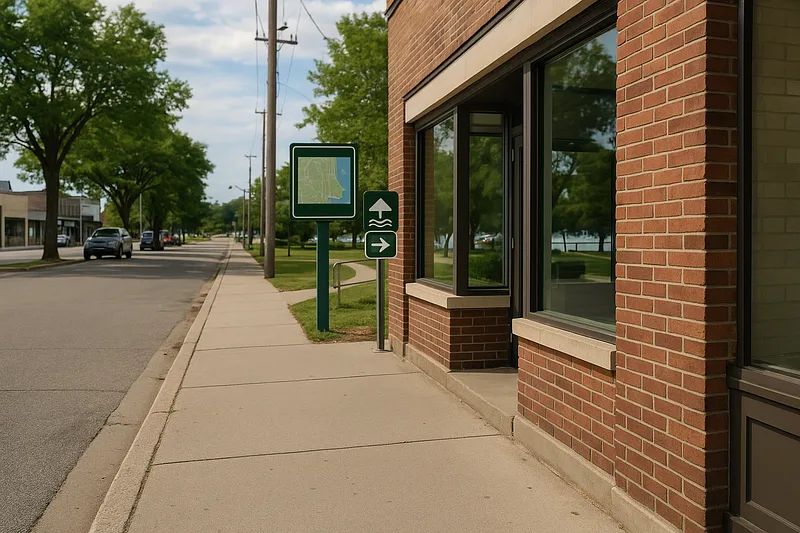
Council approved a not-to-exceed $56,382 contract with Signs Plus for Neshotah Park wayfinding and directional signage, including gateway signs, kiosks, and trail posts. The city says the work is funded by a DNR Stewardship grant plus remaining 2025 capital funds, and that it won’t hit the General Fund—still, it’s a sizable purchase and drew a dissenting vote (Petri). The “not-to-exceed” amount includes a 10% contingency that staff said could cover related amenities like picnic tables, grills, and trash cans.
Page 3 — source unresolved
Roll call vote
7 yes
1 no
1 absent
Council discussed pursuing roughly $400,000 through the USDA Rural Economic Development Loan and Grant (REDLG) program for concession stand renovations after another hoped-for grant didn’t come through. The minutes reflect that members kicked around options and wanted to understand why the USDA didn’t award the earlier funding—an important process question, because “try again with a different program” can become a habit without a clear post-mortem. No formal action was recorded in the minutes for this discussion item.
Page 3 — source unresolved