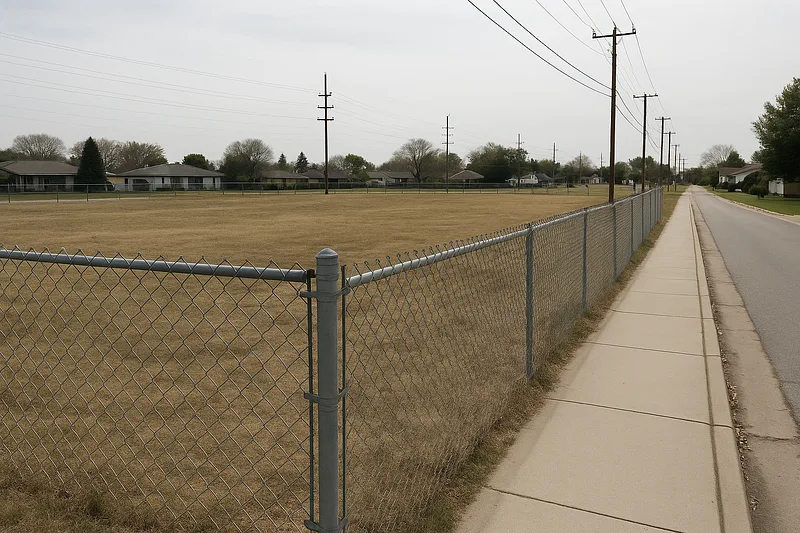
Residents will be asked to weigh in on what the 14-acre former Hamilton site should become, with the city walking through timelines, student/community ideas, and multiple concept options. The session is set up as feedback-first, with public voting but no formal city action listed on the agenda.
No public comments or communications recorded for this meeting.
The city will walk through the timeline for the Hamilton site visioning process. For residents, the key is whether the timeline clearly shows when input matters most and when the city expects to narrow from multiple concepts to a preferred direction. The agenda itself doesn’t spell out decision points, so this is where people should listen for deadlines and how feedback will be handled.
Page 1 — source unresolved
The session will review site plans created by the community and by students. This matters because it’s a chance to see what ideas are being taken seriously before the city settles on a final concept for a major lakefront/downtown-adjacent redevelopment site. Residents should watch for whether these plans are treated as real inputs or just a show-and-tell.
Page 1 — source unresolved
The city will review conceptual design options for the former Hamilton property—this lines up with the ongoing debate about tradeoffs between things like park space, development intensity, and long-term costs. Even without a vote on this agenda, this is the core moment where the city frames what’s “realistic” and what isn’t. Residents should listen for what costs or constraints are emphasized (and what gets glossed over).
Page 1 — source unresolved
The meeting will focus on what features and priorities people want on the site. This is where the city can learn what residents value most—public access, green space, housing, parking, stormwater handling, or something else—but it also depends on whether the city later shows how those priorities shaped the final concept. If the city doesn’t commit to reporting back what it heard, this kind of discussion can turn into feedback that disappears into a file drawer.
Page 1 — source unresolved
Residents will be asked to vote during the session. That can be a helpful snapshot of preferences, but the agenda doesn’t say whether the vote is advisory, how it will be counted, or how it will be weighed against other input like surveys or staff recommendations. People who care about the outcome should ask what the vote will actually do—and what happens if the voting results conflict with the city’s preferred direction.
Page 1 — source unresolved
The city has already scheduled the next session for July 21 at the J.E. Hamilton Community House. This matters for access: location and time can shape who shows up and whose voices get heard. If the city wants broad participation, it should be clear about how input from multiple sessions will be combined and reported back.
Page 1 — source unresolved