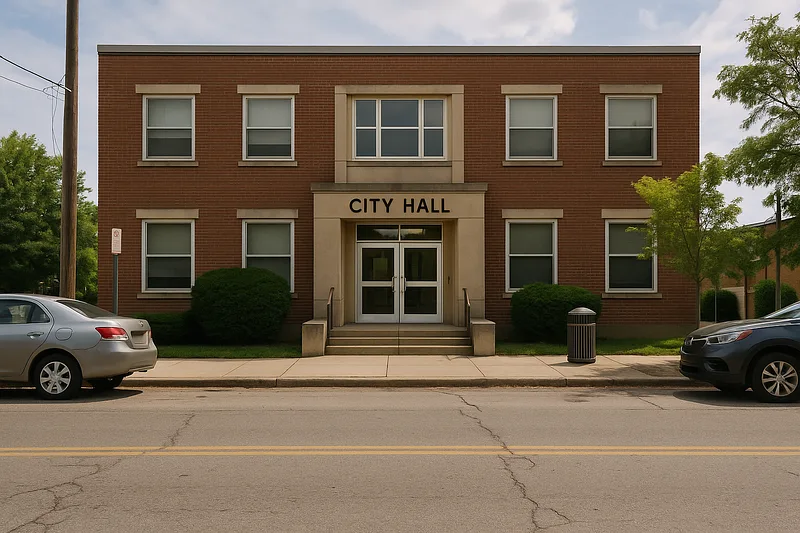
The committee recommended switching the City’s assessor to Municipal Group on a three-year contract. Members also got a blunt look at 2025’s deficit and early 2026 numbers that are currently trending better.
No public comments or communications recorded for this meeting.
Staff reviewed two assessor proposals: Accurate Appraisal (the current assessor) and Municipal Group, with pricing described as similar and Municipal Group slightly lower. The committee voted to recommend the City Council move forward with Municipal Group for a three-year term. This is a high-stakes vendor choice because assessment practices can shift who pays what, and residents typically only notice after values change.
Page 1 — source unresolved
The committee was told health insurance costs are trending higher for 2026. The provider is still looking for ways to reduce plan costs, and staff will keep evaluating whether joining the State health insurance plan would save money. This is the kind of cost pressure that can quietly force budget tradeoffs later if it isn’t addressed early.
Page 1 — source unresolved
Members reviewed 2025 overtime and were told hours and costs returned to more typical levels after unusually high overtime in 2024. Staff said they will keep monitoring overtime and looking for ways to reduce it. This is a basic but important control point because overtime spikes can blow holes in department budgets fast.
Page 1 — source unresolved
The committee reviewed unaudited 2025 results showing the City ended the year with a deficit, driven by revenues coming in short and spending slightly over budget (101.45%). Staff listed several contributors, including overestimated Public Works charges, Sandy Bay lot sale revenue no longer being recorded in the General Fund, an SRO fee collected in 2026 instead of 2025, and a lower utility PILOT payment tied to equalized value ratios. The City Manager also described a two-year “Shared Savings Incentive Program” pilot aimed at encouraging departments to save money—worth watching for whether it produces real, trackable savings or just reshuffles accounting.
Page 1 — source unresolved
Page 2 — source unresolved
Through March 31, 2026, the General Fund showed about $3.61 million in revenues (28.0% of budget) and about $3.11 million in spending (24.2%), for a positive position of about $495,655. Staff said this was about $139,000 better than the same point in 2025 and suggested it may reflect tighter oversight and more stable revenues. Early-year snapshots can be misleading, but this is still a useful checkpoint after a deficit year.
Page 2 — source unresolved
The committee talked about meeting in June to review City goals and in July to review second-quarter operating results, but did not set dates. That leaves some uncertainty about when the next public check-in on goals and mid-year finances will happen. Residents who want to follow the budget closely may need to watch for a late-posted meeting notice.
Page 2 — source unresolved