Public Works staff said the May 17 windstorm blew a hole in this year’s work plan, with repairs and cleanup now pushing out other projects. The committee also heard residents are still waiting on a promised street-improvement survey, now delayed until ahead of the 2027 budget season.
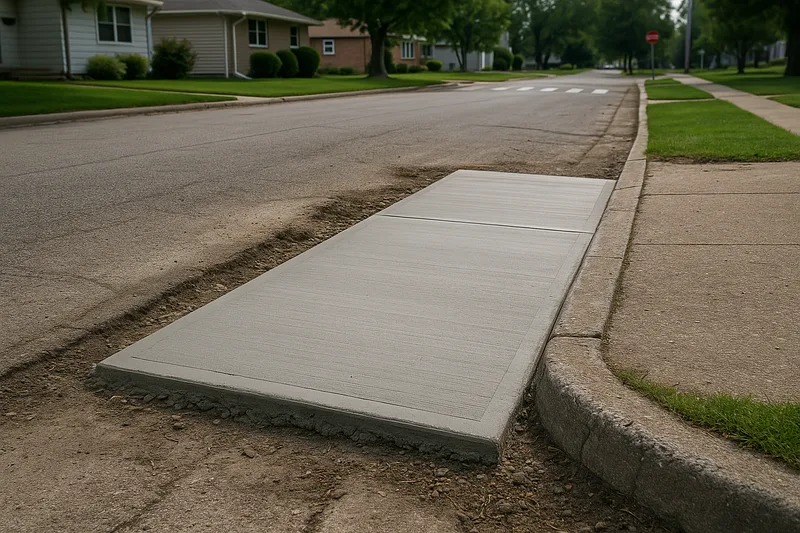
DPW reported major storm response work (360+ loads of brush) and damage to sidewalks and traffic signals. Staff estimated 30–50 sidewalk panels may need replacement at about $400 each (total estimated $20,000+), and said storm work will likely reduce this year’s colored-concrete crosswalks from two to one and delay other planned projects like the City Hall parking deck repair/replacement. They also flagged potential budget pressure on the Solid Waste Utility and said they may shorten leaf collection by 2–3 weeks to help offset costs—something residents should watch for because it changes service expectations.
Page 3 — source unresolved
Staff said they still have not prepared or sent the survey for requested infrastructure improvements on 15th Street and 16th Street, citing heavy workload and competing priorities. They noted that under the city’s assessment policy, 100% of the improvement costs would be charged to the adjacent property owners—so the delay matters because neighbors still don’t have the city’s formal ask/feedback process in hand while potential bills loom. This also connects to a broader process problem: the city keeps talking about standardizing how resident-requested upgrades get evaluated, but residents are still waiting on the basics (like the survey).
Page 2 — source unresolved
Staff said the city is still finalizing the contract and is waiting on WPS Gas work before DPW can install curb/gutter, driveway approaches, and sidewalk replacements, with final asphalt to follow. For residents, this is a reminder that utility work can dictate the schedule—and delays can cascade into longer disruption on affected streets. No committee action was recorded.
Page 1 — source unresolved
Essential Sewer & Water is expected to return to finish roughly 60 remaining sewer and water service replacements on the east side. DPW said pavement repairs carried over from last fall were delayed by storm response, and additional curb/gutter and a sidewalk repair on Emmet Street still need to be finished so resurfacing can proceed with fewer holdups. This is the kind of sequencing issue that can extend construction seasons and keep streets in “temporary patch” condition longer than residents expect.
Page 1 — source unresolved
Mammoth Construction is set to start this year’s lead water service and sanitary lateral replacement work near 23rd Street and East River Street, then move west and north. The contractor is responsible for notifying residents block-by-block about disruptive work, with DPW saying it will follow up on questions and concerns. Residents in the area should expect short-notice access and parking impacts as the work moves.
Page 1 — source unresolved
Staff said the easement has finally been signed and was expected to be recorded this week, but the project schedule slipped due to storm recovery work. The city now needs to reset the timeline, after originally hoping to finish before the car cruise and show. This matters because it’s another example of how emergency response is pushing “nice-to-have” projects down the list.
Page 2 — source unresolved
Staff recommended the city maintain and annually review an inventory of traffic and parking controls (parking restriction zones, speed zones, one-way streets, stop controls, and similar). A youth apprentice completed a preliminary draft, with the idea it can be expanded in future years, and staff gave the example of reviewing why the eastbound stop sign at 12th and School exists while westbound traffic does not stop. This is low-cost work that can prevent outdated or inconsistent traffic rules from lingering for decades without anyone remembering why they were put in.
Page 2 — source unresolved
The director reported the public works shop is now fully staffed, but the Engineering Technician position is still vacant, with a possible candidate identified. He also said the department has fallen behind on routine tasks due to the volume of capital projects, storm recovery, and earlier staffing shortages. For residents, this is a plain explanation for why timelines and follow-through (like surveys and routine maintenance) keep slipping.
Page 3 — source unresolved