pfas monitoring and compliance in wastewater
Testing and managing PFAS in wastewater, sludge, and landfill-related pollution.
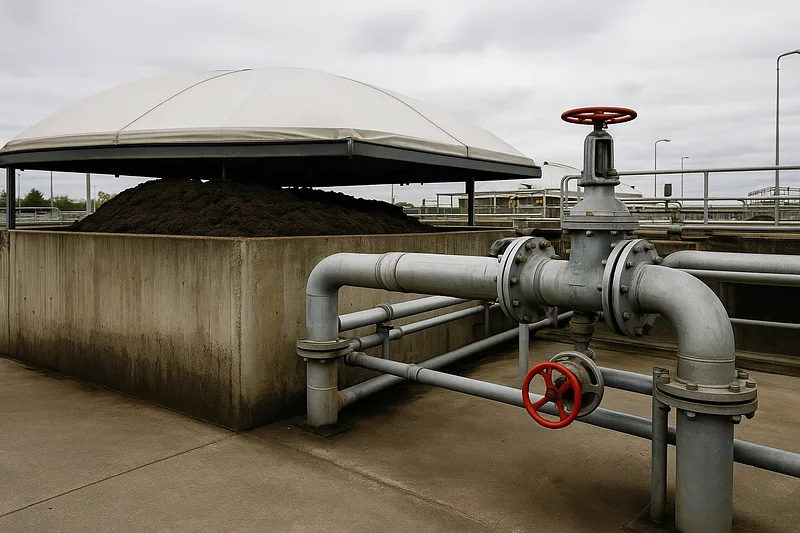
What to Watch
Watch for details on the PFAS pilot project, a sludge-disposal plan, treatment costs, grant funding and any effect on wastewater rates.
Coming Up
Typically discussed at Public Utilities Committee. Check back when the next agenda is published.
The Story
Two Rivers has about 12 months of sludge storage after its two main farm partners stopped accepting the material. The state does not currently require cuts to PFAS in treated wastewater released to Lake Michigan, but PFAS-containing sludge disposal remains unresolved and could add wastewater utility costs.
Record
-
Staff reported PFAS in wastewater solids and identified leachate from the city’s closed landfill as a major suspected source.
City Council Work Session -
The city said its two main farm partners no longer wanted to accept wastewater sludge for agricultural land application.
City Council Work Session -
Staff said the city produces about 18,000 cubic yards of sludge annually and had about 12 months of storage capacity remaining.
City Council Work Session -
The city was required under its state wastewater permit to test for PFAS and submit a report in July 2026.
City Council Work Session -
Staff discussed possible short-term options including private hauling and testing a mixture of sludge and street sweepings for landfill cover.
City Council Work Session -
Staff discussed a landfill-leachate treatment system estimated at about $1 million and said the state was not requiring cleanup at that time, though it could do so within about five years.
City Council Work Session -
Staff identified a state PFAS grant program that would require a 20% local match. No council action was taken.
City Council Work Session -
The state approved the city’s PFAS discharge report and found no current reason to require a plan to reduce PFOA or PFOS in treated wastewater released to Lake Michigan.
Public Utilities Committee -
The committee was told that PFAS remains in wastewater sludge and that disposal is likely to involve significant future costs.
Public Utilities Committee -
A PFAS pilot project is scheduled for an update under the solid-waste utility.
Public Utilities Committee