Two Rivers council approved nearly $3.75 million in utility borrowing for sewer and water work, including a faster push to replace lead service lines. It also went into closed session to talk strategy on possible property tax and public records lawsuits.
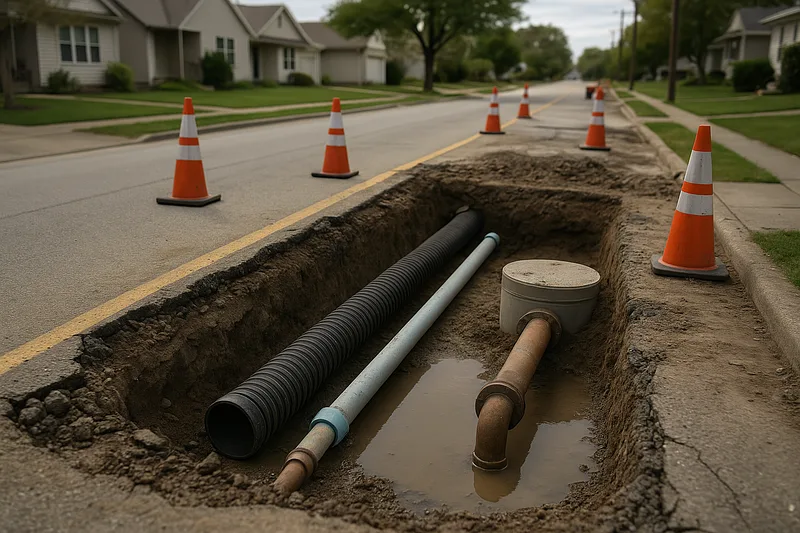
Council approved up to $1,781,953 in Wastewater Utility borrowing to fund sewer infrastructure work planned for 2026–2027. The biggest piece is the city’s cured-in-place pipe lining program, plus sewer lateral replacements coordinated with lead service line work to avoid digging up the same areas twice. This is a long-term cost decision that will be felt through utility rates, so residents should expect the city to keep showing clear project lists and timelines as the work rolls out.
Page 3 — source unresolved
Roll call vote
9 yes
Council approved up to $1,961,897 in Water Utility borrowing to finance lead service line replacements and the Lincoln Avenue water main replacement program. The city says the plan is to replace about 500 lead service lines in 2027—about double the usual pace—by taking advantage of current state funding that may not be there later. Even though this isn’t paid with property taxes, it’s still real debt tied to water bills, and the city is betting that moving faster now will cost less over time.
Page 4 — source unresolved
Roll call vote
9 yes
Council approved a noise waiver for Heroes Venture Arcade’s Aug. 22 live music/electronic dance music event, allowing 75 decibels until midnight in a business-to-residential transition area. Two councilmembers voted no, and the discussion (in the meeting record) raised a bigger process issue: the city keeps handling these as one-off waivers instead of clarifying the underlying rule and expectations. If waivers are becoming routine, residents deserve a clear, consistent standard—not a case-by-case scramble each time.
Page 2 — source unresolved
Roll call vote
7 yes
2 no
Instead of deciding the appeal, council tabled it to the next meeting to give the applicant time to provide proof of a payment plan to the Police Department. That means the denial wasn’t upheld or overturned at this meeting—council hit pause and set up a follow-up decision. Residents should watch the next meeting for what documentation is required and whether the city applies the same standard consistently across applicants.
Page 2 — source unresolved
Roll call vote
9 yes
Council denied a claim seeking reimbursement for fence damage allegedly caused by snow plowing during the 2025–26 winter. The city said staff and its insurance review found no evidence Public Works caused the damage and that records indicated the fence had prior damage. This kind of vote matters because it sets the city’s posture on resident damage claims: the bar for proof is high, and the city will lean heavily on insurer recommendations.
Page 3 — source unresolved
Roll call vote
9 yes
Council accepted the 2025 audit results from CliftonLarsonAllen LLP, which reported a clean audit opinion and no material weaknesses. The city’s net position increased in 2025, which auditors attributed mainly to grant funding and capital investments. A clean audit is good news, but it doesn’t answer the everyday question residents care about most: what this means for future taxes and utility rates—something council should keep pressing for in plain language.
Page 4 — source unresolved
Council went into closed session under state law to get legal advice on strategy for potential property tax litigation and potential public records litigation. The public can’t see what was discussed, so the only accountability point residents get is the stated reason and whether any action is taken afterward in open session. Council reconvened and adjourned without any specific follow-up action recorded in the minutes.
Page 5 — source unresolved